

More Than the "Happy Molecule"! 5‑HT, Core Gut‑Brain Axis Neurotransmitter | Cloud‑Clone ELISA kit

Solving key analytical challenges for quantifying oxidizable 5-HT in gut-brain axis and neuropsychiatry-oriented research
HUSTON, TX, UNITED STATES, September 15, 2026 /EINPresswire.com/ -- Serotonin (5-hydroxytryptamine, 5-HT) is widely popularized as the “happy molecule”, yet its biological functions extend well beyond mood regulation. Acting as a pivotal signalling messenger within the gut-brain axis, centrally and peripherally distributed 5-HT modulates mental status, sleep cycles, gastrointestinal motility and immune homeostasis. Nevertheless, 5-HT is chemically labile and prone to analytical interference, creating substantial barriers for reliable laboratory measurement. This press release introduces how Cloud-Clone’s optimized 5-HT ELISA kit addresses major testing pain points and delivers consistent quantitative results to advance global biomedical research.
Biological Background and Core Research Value of 5-Hydroxytryptamine (5-HT)
The gut-brain axis constitutes a critical signalling network connecting the central nervous system and the gastrointestinal tract, where 5-hydroxytryptamine (5-HT) stands out as the most extensively investigated neurotransmitter. Unlike norepinephrine which primarily drives stress-triggered vasopressor responses or cortisol for endocrine stress modulation, 5-HT governs emotional stability, sleep-wake rhythm, gastrointestinal performance, pain perception and immune balance, functioning as a comprehensive “mind-body balance regulator”.
5-HT exhibits distinct dual-source distribution across central and peripheral compartments with functionally independent pools that cannot substitute for one another — a frequent source of confusion in research experiments. Central nervous system 5-HT is synthesized by raphe nucleus neurons in the brainstem. As a neurotransmitter mediating intracerebral signal transduction, it directly shapes mood, hedonic response, focus and sleep quality. More than 95% of peripheral 5-HT is produced by intestinal enterochromaffin cells. This peripheral pool cannot cross into the brain and mainly modulates intestinal peristalsis, digestive juice secretion and visceral sensitivity to maintain gastrointestinal homeostasis.
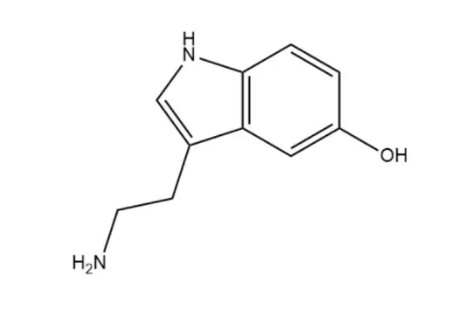
(Figure 1: Molecular structure of 5-hydroxytryptamine (5-HT))
Regarding biosynthetic and metabolic pathways, 5-HT is generated from tryptophan via two sequential enzymatic reactions. First, tryptophan is converted to 5-hydroxytryptophan (5-HTP) catalysed by tryptophan hydroxylase (TPH). Subsequent decarboxylation mediated by aromatic L-amino acid decarboxylase yields mature 5-HT. Upon signal transduction termination, 5-HT is predominantly oxidatively degraded by monoamine oxidase (MAO) into 5-hydroxyindole-3-acetic acid (5-HIAA), which is excreted through urine to sustain neurotransmitter homeostasis. The 5-HT transporter (SERT) mediates neurotransmitter reuptake, a key process controlling synaptic 5-HT concentration and signal termination, and represents the primary target for clinical SSRI-class antidepressant agents.
From physicochemical and analytical perspectives, 5-HT is a small-molecule monoamine compound highly susceptible to oxidative degradation. Ambient-temperature incubation, light exposure, repeated freeze-thaw cycles and endogenous enzymatic activity rapidly inactivate the analyte. Moreover, biological samples contain structurally similar monoamine transmitters such as dopamine and norepinephrine, bringing substantial homologous cross-interference. Common test matrices include serum, plasma, cerebrospinal fluid, brain tissue, intestinal tissue and cell culture supernatant. Different sample types reflect central nerve function, peripheral gastrointestinal status and systemic endocrine profiles respectively, imposing strict requirements for anti-oxidation capacity, anti-interference performance and sensitivity of detection assays.
5-HT exerts physiological effects spanning nervous, digestive, immune and metabolic systems. Its central regulatory roles for psychological and psychiatric homeostasis represent a major research hotspot. Central 5-HT is essential for sustaining emotional stability, cognitive performance, sleep rhythm and behavioural modulation. Insufficient synthesis, abnormal transport, accelerated metabolism or receptor dysfunction of 5-HT form core pathological foundations for multiple psychological and psychiatric disorders. In depression, hypofunction of raphe nucleus serotonergic neurons and insufficient neurotransmitter release directly trigger low mood, anhedonia and psychomotor retardation, corresponding to the signalling pathway targeted by mainstream clinical antidepressants including SSRIs and SNRIs. Chronic stress-driven 5-HT rhythm disturbance and neurotransmitter depletion contribute to persistent anxiety, hypervigilance and irritability. Imbalanced 5-HT signalling is also linked to multiple intractable psychiatric conditions: abnormal cerebral 5-HT metabolism and altered receptor sensitivity underpin repetitive compulsive behaviours and obsessive thoughts in obsessive-compulsive disorder. Disturbed synthesis-secretion rhythm of central 5-HT frequently accompanies insomnia and circadian rhythm disruption, impairing normal sleep initiation. In addition, varying degrees of dysregulated 5-HT signalling appear in mood-related symptoms of bipolar disorder, post-traumatic stress disorder (PTSD) and schizophrenia.
In peripheral compartments, excessively elevated 5-HT induces visceral hypersensitivity, diarrhoea and irritable bowel syndrome; insufficient secretion leads to reduced gastrointestinal motility, constipation and dyspepsia. It further participates in platelet activation, vascular tone regulation and inflammatory mediator modulation, closely correlating with migraine, chronic inflammation and metabolic syndrome.
Therefore, 5-HT ranks among high-priority biomarkers for gut-brain axis mechanistic studies, neuropsychopharmacology, gastrointestinal disease research, emotion-related disorder animal models and natural product screening. Precise quantification of 5-HT concentration changes provides critical experimental evidence to validate model establishment, decode gut-brain crosstalk mechanisms and verify pharmacological efficacy of antidepressant, sedative and gastrointestinal-regulatory agents.
Comparison of Mainstream Detection Technologies and Core Experimental Bottlenecks for 5-HT Assays
As an oxidation-prone, low-abundance monoamine neurotransmitter subject to strong matrix interference, 5-HT poses challenges for conventional analytical tools. Major techniques differ markedly in accuracy, throughput, cost and operational complexity, directly determining experimental data quality.
Performance Comparison of Four Mainstream Detection Technologies
1.High-Performance Liquid Chromatography with Electrochemical Detection (HPLC-ECD) One classic gold-standard approach for monoamine neurotransmitter measurement. It achieves effective separation of 5-HT, dopamine (DA), norepinephrine (NE) and homologous substances with favourable specificity and reliable data output. Drawbacks include high instrument costs and extremely labour-intensive sample pre-treatment covering extraction, impurity removal, filtration and derivatization. Long assay duration and low throughput restrict its application mainly to validation of limited critical samples and make it unsuitable for large-scale animal experiments or high-throughput drug-screening workflows.
2.Liquid Chromatography-Tandem Mass Spectrometry (LC-MS/MS) The highest-precision analytical method available, enabling clear discrimination between 5-HT and its metabolites with superior anti-interference capability. Nevertheless, high testing expenses, steep technical learning curves and low sample throughput limit its usage mostly for mechanistic validation in high-impact publications and reference calibration, rather than routine batch research testing.
3.Immunohistochemistry / Immunofluorescence (IHC / IF) Supports histological localization visualization of serotonergic neurons and enterochromaffin cells for morphological illustration. However, it delivers only semi-quantitative results prone to manual bias. It cannot generate exact numerical values for inter-group statistical analysis and serves merely as auxiliary mechanistic demonstration.
4.Enzyme-Linked Immunosorbent Assay (ELISA) The preferred mainstream solution for basic-science research. Readily run on standard laboratory microplate readers without large precision instruments. It features simplified sample preparation, fast workflow, high throughput and cost-efficiency, compatible with serum, tissue homogenate, cell culture supernatant and other matrices. It fits animal modelling, gradient drug screening and large-sample statistical analysis perfectly. Even so, commercially available generic 5-HT ELISA kits commonly suffer deficiencies including lack of anti-oxidant protection, severe neurotransmitter degradation, cross-reactivity against homologous transmitters and insufficient sensitivity, which often result in underestimated readings, poor reproducibility and non-significant inter-group differences.
Four Major Experimental Challenges in 5-HT Quantification
Practical laboratory experience identifies four primary pain points behind failed experiments and unstable 5-HT data:
1.High susceptibility to oxidative degradation: 5-HT exhibits poor ex-vivo stability. Conventional buffer systems lack anti-oxidative capacity. Continuous degradation occurs during sampling, static incubation and freeze-thaw cycles, yielding generally low measured values and distorted outcomes.
2.Strong cross-interference from homologous monoamines: Structural similarities among DA, NE and related transmitters cause cross-reactions when paired with antibodies of insufficient specificity, generating falsely elevated data and false-positive signals.
3.Difficulty capturing subtle variations of trace-level analytes: Only minor 5-HT shifts emerge under mild stress, early emotional injury or slight gastrointestinal disturbance. Kits with inadequate sensitivity fail to detect biologically meaningful differences.
4.Powerful interference originating from complex sample matrices: Brain tissue, intestinal tissue and serum contain abundant heterologous proteins, lipids and metabolic impurities that trigger non-specific binding, raising data dispersion and impairing reproducibility.
Distinct Technical Advantages of Cloud-Clone 5-HT ELISA Kit
Targeting industry-wide obstacles of 5-HT including oxidative lability, homologous molecular interference, trace-level abundance and complex sample matrices, Cloud-Clone leverages accumulated expertise in monoamine neurotransmitter antigen engineering, specific antibody screening, anti-oxidative buffer optimization and competitive ELISA process iteration. The self-developed high-quality 5-Hydroxytryptamine (5-HT) ELISA Kit (Cat.No. CEA808Ge) resolves experimental limitations at the source and satisfies diversified research requirements.
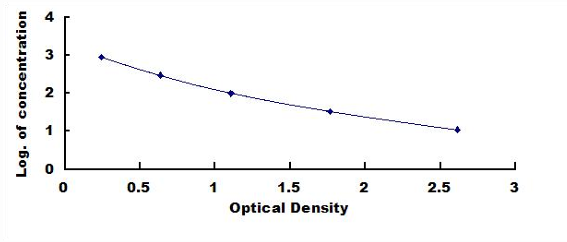
(Figure 2: ELISA kit for 5-hydroxytryptamine (5-HT) Standard curve )
1.High-specificity antibodies eliminate cross-interference from homologous neurotransmitters
Custom immunogens are designed targeting the unique molecular conformation of 5-HT. High-affinity monoclonal antibodies are obtained through multiple rounds of cell fusion, screening and affinity purification, precisely recognizing characteristic epitopes of 5-HT. Negligible cross-reactivity is observed with dopamine, norepinephrine, related amino acids and metabolites. Homologous interference among monoamine transmitters is effectively avoided to guarantee authentic and reliable datasets.
2. Dedicated anti-oxidation protection system preserves native sample activity
Custom-formulated anti-oxidative buffers are integrated within the kit. They suppress oxidative degradation of 5-HT throughout sample dilution and reaction steps and inactivate residual endogenous oxidases in specimens, maximally retaining original analyte concentrations. This addresses key pain points such as underestimated measurements, batch-to-batch discrepancies and poor repeatability.
3.High sensitivity paired with broad linear range covering full concentration gradients
Optimized solid-phase coating and enzymatic signal-amplification systems markedly improve assay sensitivity, enabling detection of subtle 5-HT fluctuations under physiological homeostasis, mild injury, severe pathological models and drug-intervention conditions. Meanwhile, the expanded linear range reduces the need for frequent serial dilution of high- or low-concentration samples and minimizes manual operational error.
4.Multi-dimensional matrix shielding meets high-quality SCI-publication standards for data stability
Proprietary matrix-shielding components neutralize interfering heterologous proteins, lipids and ions present in tissue homogenates, serum and cell culture supernatant, substantially lowering non-specific binding. Batch testing confirms favourable intra-assay and inter-assay coefficients of variation with low data dispersion and strong reproducibility, complying with strict data quality standards for high-impact scientific publications.
5.Multi-species and multi-matrix compatibility for standardized high-throughput workflows
Compatible common laboratory species include human, rat and mouse. Supported sample matrices cover serum, plasma, brain tissue homogenate, intestinal tissue homogenate, cell culture supernatant and cerebrospinal fluid. Complex extraction, purification and derivatization are not required; samples can be loaded following simple centrifugation and dilution. The complete assay finishes within three hours with ready-to-use detachable 96-well plates. It adapts flexibly to small-sample mechanistic verification as well as large-scale high-throughput drug-screening projects, delivering consistent batch-performance and replicable experimental data.
Core Research Application Scenarios
1.Gut-Brain Axis Mechanism Research
(Figure 3: 5-HT: core neurotransmitter of the gut-brain axis | links emotional homeostasis, gastrointestinal regulation and psychological disorders)
Animal models with disrupted gut-brain communication are established to measure differential 5-HT levels in central and peripheral compartments, unravelling bidirectional crosstalk between cerebral emotional modulation and gastrointestinal function. 5-HT represents a core readout for gut-brain-axis-related research projects.
2. Neuropsychiatric Disorder Research
Using chronic unpredictable mild stress, sleep deprivation, anxiety and depression animal models, 5-HT concentrations in brain tissue and serum are assayed to explore correlations between neurotransmitter disturbance and low mood, anxiety, insomnia and cognitive decline. The kit supports compound screening and mechanistic validation for antidepressant, sedative and sleep-improving candidates.
3. Functional Gastrointestinal Disorder Research
In experimental models for irritable bowel syndrome, functional dyspepsia, constipation and diarrhoea, intestinal 5-HT abundance is quantified to analyse how neurotransmitter abnormalities trigger gastrointestinal dysmotility and visceral hypersensitivity, supporting research and development of gastrointestinal-modulating pharmaceuticals.
4. Neuropharmacology and Natural Product Screening
Evaluate modulatory effects of herbal monomers, compound formulations and natural bioactive compounds on 5-HT synthesis, transport and metabolic pathways. Quantitative measurement of 5-HT level changes helps clarify drug targets and intervention pathways.
5. Inflammatory and Immune Regulation Research
Combined with inflammatory factor profiling, researchers investigate mechanisms of neuroinflammation and chronic intestinal inflammation driven by 5-HT imbalance and explore connections between monoamine neurotransmitters and immune homeostasis to generate supporting data for inflammation-immunity-focused studies.
6. Toxicology and Safety Assessment
Detect damages inflicted by pharmaceutical agents, toxicants and environmental pollutants upon central and peripheral serotonergic systems. Quantify neurotoxic and gastrointestinal toxic effects to supply experimental foundations for new-drug safety evaluation and toxicological mechanism exploration.
Conclusion
As a key messenger of the gut-brain axis and dual modulator of mental status and gastrointestinal function, 5-HT maintains neuro-emotional homeostasis via its central pool and governs gastrointestinal health through peripheral 5-HT. Its metabolic disturbance constitutes an important pathogenic basis for psychiatric, digestive and inflammatory diseases. In 5-HT-associated research experiments, analyte oxidative lability, strong homologous interference and difficulty capturing subtle concentration shifts constitute major bottlenecks limiting data quality.
Conventional chromatographic and mass-spectrometry techniques suffer from high barriers, low throughput and elevated costs and are not suited for routine batch-mode research. Generic ELISA kits deliver poor anti-oxidative capacity and insufficient specificity, resulting in volatile data and failed experiments. Cloud-Clone 5-HT ELISA Kit systematically resolves diverse 5-HT measurement challenges by combining high-performance specific antibodies, proprietary anti-oxidative systems, high-sensitivity broad-linear-range modules and multi-dimensional anti-matrix-interference formulations.
Suited for gut-brain-axis mechanistic investigation, neuropsychiatry, gastrointestinal disorder research, pharmacological screening, immune-inflammation studies and other research areas, this kit generates stable, accurate and reproducible quantitative data to support investigators in advancing research programmes and producing high-quality academic outputs. Cloud-Clone will keep optimizing assay performance for neurotransmitters, metabolic molecules and inflammatory biomarkers to continuously empower global basic and translational biomedical research.
For investigators studying gut-brain crosstalk, neuropsychiatry, gastrointestinal physiology and toxicology who seek reliable 5-HT quantification tools, Cloud-Clone provides ready-to-use ELISA kits alongside comprehensive technical support. Further product specifications and technical inquiries can be accessed through official global channels.
About Cloud-Clone Corp.
Cloud-Clone Corp. is dedicated to the development and production of high-quality immunoassay reagents and detection solutions. With a focus on antibody engineering, multiplex assay development, and cross-platform compatibility, the company provides research tools designed to support precision medicine and advanced biomedical investigation globally. Our core products and services include the research and development of proteins, antibodies, ELISA kits, primary cells, and multiplex cytokine assay kits, as well as professional CRO services to fully meet the diverse needs of biomedical research and related fields.
For more information about Cloud-Clone Corp, visit www.cloud-clone.com.
CLOUD-CLONE CORP.(CCC)
Tel: 001-832-538-0970, 0086-27-8425-9552
Email: mail@cloud-clone.com, sales@cloud-clone.us
Visit us on social media:
LinkedIn: https://www.linkedin.com/company/cloud-clone-corp/
Instagram: https://www.instagram.com/cloudclonecorp2023/
TickTok: https://www.tiktok.com/@cloudclonecorp2026
SuKi Duan
CLOUD-CLONE CORP.WUHAN
email us here
Visit us on social media:
LinkedIn
Instagram
TikTok
X
Legal Disclaimer:
EIN Presswire provides this news content "as is" without warranty of any kind. We do not accept any responsibility or liability for the accuracy, content, images, videos, licenses, completeness, legality, or reliability of the information contained in this article. If you have any complaints or copyright issues related to this article, kindly contact the author above.
